
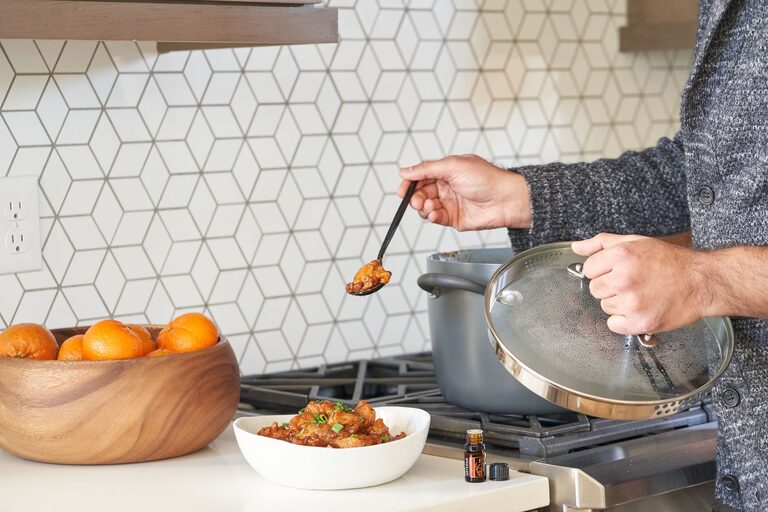
If you’re new to slow cooking, a slow cooker is a fantastic kitchen appliance that can make mealtime much easier and more enjoyable. Whether you want to save time, cook nutritious meals, or prepare food in advance, slow cookers offer a convenient solution. This guide will walk you through the basics of using a slow cooker, including helpful tips, common mistakes to avoid, and a few easy recipes to get you started.
What is a Slow Cooker?
A slow cooker, sometimes called a crockpot, is an electric countertop appliance designed to cook food at a low temperature over a long period. It usually has a ceramic or porcelain pot inside a heating element, with controls to set cooking times and heat levels such as low, medium, or high.
The slow cooking process allows flavors to develop deeply, tenderizes tougher cuts of meat, and requires little hands-on time from you. It’s especially great for busy weeknights or meal prepping for the week ahead.
Benefits of Using a Slow Cooker
– Set it and forget it: You can add ingredients, start cooking, and leave the slow cooker unattended.
– Energy-efficient: Slow cookers use less electricity compared to an oven or stovetop.
– Tender and flavorful meals: Slow cooking breaks down tough fibers in meat and enhances flavors.
– Healthy cooking: Minimal oil is usually needed, and nutrients are retained well.
– Versatile: You can make soups, stews, casseroles, desserts, and even beverages.
Choosing the Right Slow Cooker
If you’re shopping for your first slow cooker, here are a few things to consider:
– Size: For 1-2 people, a 3- to 4-quart slow cooker is enough. Families might prefer 6 quarts or larger.
– Shape: Oval cookers are good for roasts, while round ones work well for soups and stews.
– Programmable vs. manual: Programmable models allow precise timing and automatic switch to “keep warm” mode.
– Removable insert: Easier for cleaning and serving.
– Additional features: Some include timers, temperature probes, or delay start options.
How to Use a Slow Cooker: Step-by-Step
1. Prep Your Ingredients
Chop vegetables and trim any excess fat from meat. Layer foods thoughtfully; dense or tough ingredients like root vegetables should go at the bottom because they take longer to cook.
2. Add Liquid
Slow cookers require some liquid because the food cooks in a sealed environment. Typically, 1/2 to 1 cup of broth, water, or sauce is enough. Avoid adding too much liquid, as slow cooking traps moisture and doesn’t allow evaporation.
3. Set the Temperature and Time
– Use the low setting for 6 to 10 hours.
– Use the high setting for 3 to 6 hours.
– Many recipes recommend starting on high for the first hour and then switching to low.
4. Cover and Cook
Place the lid tightly on the slow cooker. Avoid lifting the lid frequently; each time you do, it lowers the temperature and extends cooking time.
5. Finish and Serve
When the cooking time is up, check if the meat is tender and vegetables are cooked through. If using a programmable slow cooker, it may switch to “keep warm” automatically.
Tips for Beginner Slow Cookers
– Brown meat first: For more flavor and better texture, brown meat in a skillet before adding it to the slow cooker.
– Don’t overfill: Fill the slow cooker between half and two-thirds full for best results.
– Use fresh or properly thawed ingredients: Avoid using frozen meat directly in the slow cooker as it can stay in the temperature danger zone too long.
– Adjust seasoning: Slow cooking may reduce the intensity of herbs and spices, so taste and adjust toward the end of cooking.
– Layer wisely: Place vegetables that take longer on the bottom and more delicate ingredients like leafy greens toward the top.
Common Mistakes to Avoid
– Adding dairy too soon: Milk, cream, or yogurt can curdle if cooked for too long; add near the end of cooking.
– Ignoring food safety: Make sure slow cooked dishes reach a safe internal temperature (usually 165°F for poultry).
– Relying on canned beans only: If adding dried beans, soak them first unless the recipe specifies otherwise.
– Overcooking: While slow cookers are forgiving, cooking some ingredients for too long can result in mushy textures.
Easy Slow Cooker Recipes for Beginners
Classic Beef Stew
Ingredients:
– 2 pounds beef chuck, cut into cubes
– 4 carrots, sliced
– 3 potatoes, diced
– 1 onion, chopped
– 3 cups beef broth
– 2 cloves garlic, minced
– 1 tsp salt, 1/2 tsp pepper
– 1 tsp dried thyme
Instructions:
- Brown beef cubes in a skillet.
- Place beef and vegetables in the slow cooker.
- Add garlic, broth, and seasonings.
- Cook on low for 8 hours or high for 4 hours.
- Serve hot with crusty bread.
Slow Cooker Chicken Taco Filling
Ingredients:
– 4 boneless chicken breasts
– 1 cup salsa
– 1 packet taco seasoning
– 1/2 cup chicken broth
Instructions:
- Place chicken breasts in the slow cooker.
- Pour salsa and broth over the chicken and sprinkle taco seasoning.
- Cook on low for 6 hours or high for 3 hours.
- Shred chicken with two forks and mix well.
- Serve in tortillas with your favorite toppings.
Vegetable Lentil Soup
Ingredients:
– 1 cup dried lentils, rinsed
– 2 carrots, diced
– 2 celery stalks, sliced
– 1 onion, chopped
– 4 cups vegetable broth
– 1 tsp cumin
– 1 tsp paprika
– Salt and pepper to taste
Instructions:
- Combine all ingredients in the slow cooker.
- Cook on low for 8 hours or high for 4 hours.
- Adjust seasoning before serving.
Cleaning and Maintenance
Most slow cooker inserts are dishwasher safe, but hand washing with warm soapy water is also easy. Wipe the base with a damp cloth when cooled. Store the lid and insert separately to avoid any odors.
—
Using a slow cooker is a wonderful way to simplify cooking without sacrificing flavor. With these tips and recipes, beginners can feel confident exploring slow cooking and enjoy warm, home-cooked meals with minimal effort. Give it a try—you might find it becomes your favorite kitchen companion!