
Reducing food waste at home is a simple yet impactful way to save money and contribute to a healthier planet. Every year, millions of tons of food are discarded unnecessarily, which wastes resources like water, energy, and labor. By making a few conscious changes in your kitchen routine, you can make a significant difference. Here are some practical strategies to help you cut down food waste and enjoy fresher meals.
Understand What Causes Food Waste
Before diving into tips, it helps to recognize common reasons food gets wasted:
– Buying too much and not using everything before it spoils.
– Improper storage leading to premature spoilage.
– Cooking more than needed and throwing leftovers away.
– Confusion over expiration dates and when food is still safe to eat.
By identifying these challenges, you can tailor your habits to reduce waste effectively.
Smart Shopping: Buy Only What You Need
Make a Meal Plan
One of the best ways to avoid overbuying is to plan your meals for the week. List the ingredients you’ll need and stick to your list when shopping. This prevents impulse purchases and ensures you only buy what you’ll use.
Shop More Often, But Smaller
Instead of making one big grocery trip, consider shopping more frequently but buying smaller quantities. This helps keep food fresh and reduces the chance of produce or dairy going bad before you use it.
Choose Loose Produce
Buying fruits and vegetables loose instead of pre-packaged lets you select exactly the amount you need, cutting down on excess.
Store Food Properly
How you store food can affect its shelf life significantly.
Use Airtight Containers
Transfer leftovers and opened packages into airtight containers to keep them fresh longer and prevent spoilage.
Know Your Fridge Zones
Different parts of your refrigerator have different temperature levels. For example, the crisper drawer is ideal for vegetables, while the door shelves are better for condiments. Learn where to store items for maximum freshness.
Keep Bread Fresh
Store bread in a cool, dry place or freeze it if you don’t plan to use it soon. Freezing bread extends its life without losing quality.
Practice Portion Control
Cooking or serving too much is a common source of food waste.
Cook Smaller Meals
Prepare just enough food for your household’s appetite. You can always make more if needed.
Use Smaller Plates
Serving food on smaller plates can help control portion sizes and reduce leftovers.
Save Leftovers Creatively
Instead of tossing leftovers, transform them into new meals. For example, roast vegetables can be added to soups, and extra rice can become fried rice the next day.
Get Creative with Food Scraps
Many parts of fruits and vegetables that often get thrown away are actually edible.
Use Vegetable Peels and Stems
Carrot peels, broccoli stems, and onion skins can be used in homemade broth or soups to add flavor and reduce waste.
Save Vegetable Scraps in the Freezer
Collect scraps in a freezer bag and use them later for stock, reducing the need for store-bought broth and cutting waste.
Compost Food Waste
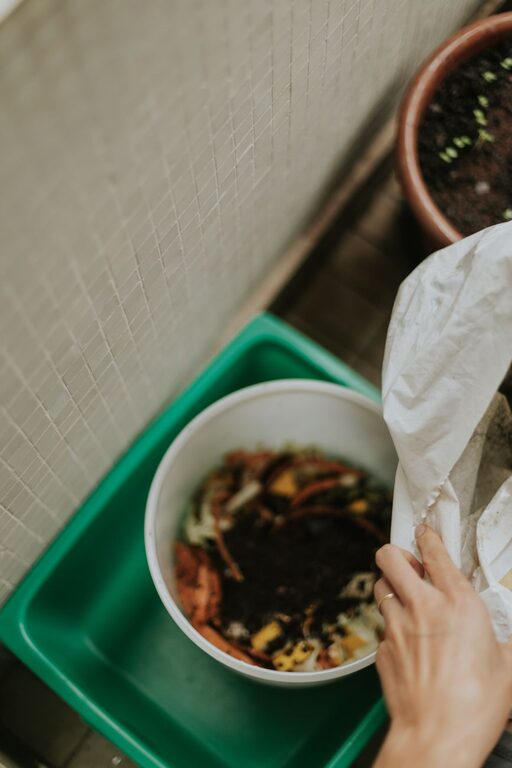
If you have the space, start composting food scraps that can’t be eaten. Composting turns organic waste into valuable soil for your garden.
Understand Expiration Dates
Food labels can be confusing and lead to unnecessary waste.
Know the Difference Between “Sell By” and “Use By”
– Sell By: Indicates how long a store should display the product. Usually safe to consume after this date.
– Use By/Best Before: Recommended for quality, not safety. Many foods are still good after these dates.
Trust Your Senses
Smell, look, and taste your food before discarding it. If it looks and smells fresh, it’s likely still good to eat, even if the date has passed.
Freeze and Preserve Food
Freezing is a great way to extend the shelf life of many foods.
Freeze Leftovers
If you don’t plan to eat leftovers within a few days, freeze them in portion-sized containers for later use.
Preserve Seasonal Produce
Freeze fruits and vegetables when they’re in season and plentiful. This way, you can enjoy them year-round without waste.
Use Freezer Labels
Label containers with the date and contents so you know what you have and when to use it.
Involve the Whole Family
Reducing food waste is easier when everyone pitches in.
Educate Family Members
Explain why minimizing waste matters and how they can help, such as taking only what they’ll eat at meals.
Make It Fun
Turn leftover meals into creative cooking challenges or involve kids in meal planning and food preparation.
—
Reducing food waste at home doesn’t require drastic changes—small adjustments in shopping, cooking, and storing habits can add up to big savings and less waste. Start implementing these tips today and enjoy fresher meals and a more sustainable kitchen!