
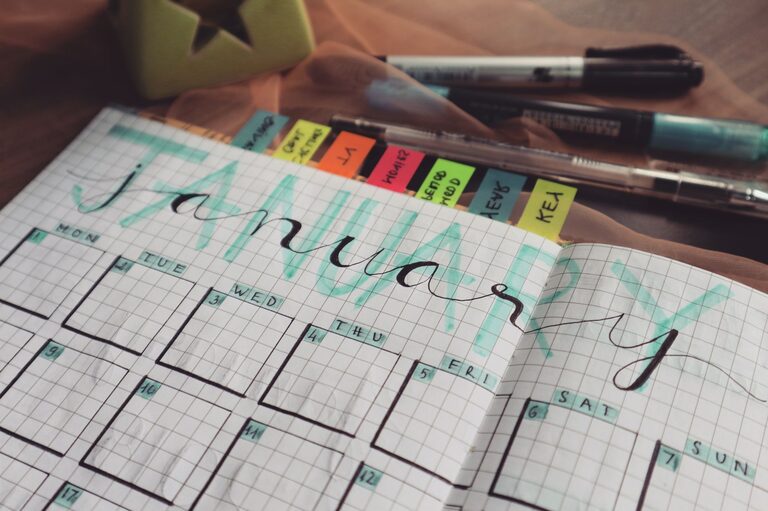
Taking a break from the busy pace of everyday life is essential for maintaining balance and well-being. A no-stress weekend can help you recharge, reduce anxiety, and boost your overall happiness. If your weekends often feel rushed or stressful, it might be time to rethink how you plan your days off. This guide will walk you through effective ways to create a peaceful, enjoyable weekend that truly feels like a getaway from stress.
Why Plan a No-Stress Weekend?
Weekends are meant for rest and recovery. However, many people find themselves overwhelmed by chores, errands, or social obligations that end up causing more stress than relaxation. Planning ahead can transform your weekend into a calm, rejuvenating experience. When you take control of your schedule, you prevent last-minute pressures and create space to unwind.
Step 1: Set Clear Intentions
Start by deciding what you want from your weekend. Your goal might be to rest, spend quality time with loved ones, or focus on hobbies. Write down your intentions to keep them in mind as you plan.
– Reflect on what activities help you feel relaxed.
– Consider what tasks or commitments you can postpone or eliminate.
– Prioritize simplicity and enjoyment over busy schedules.
By setting clear intentions, you give yourself permission to say no to stress and yes to meaningful rest.
Step 2: Simplify Your To-Do List
A cluttered to-do list can add unnecessary pressure. Before the weekend begins, review your tasks and focus only on essentials.
– Identify urgent errands that must be done.
– Delegate chores if possible to share the workload.
– Leave some “empty” time slots for spontaneity or resting.
Simplifying your to-do list prevents feeling overwhelmed and helps you avoid cramming too many activities into a short time.
Step 3: Create a Comforting Environment
Your surroundings influence your mood and stress levels. Take a little time to make your home inviting and relaxing.
– Declutter common areas to promote calm.
– Add soft lighting with lamps or candles.
– Play soothing music or sounds that you enjoy.
– Prepare cozy blankets and comfortable seating.
A peaceful environment sets the tone for relaxation and makes it easier to unwind fully.
Step 4: Plan Enjoyable Activities That Recharge You
Think about which activities genuinely help you feel refreshed and include a few in your weekend schedule.
Relaxation Ideas:
– Reading a favorite book or listening to an audiobook
– Taking a walk in nature or visiting a park
– Practicing gentle yoga or stretching exercises
– Enjoying a warm bath with calming scents
– Trying creative hobbies like drawing, cooking, or gardening
These activities encourage mindfulness and help you disconnect from stressors.
Step 5: Limit Screen Time
While it’s tempting to scroll through social media or watch TV for hours, excessive screen time can increase stress and disrupt sleep.
– Set specific time limits for checking emails or social media.
– Turn off non-essential notifications.
– Replace some screen time with offline hobbies or outdoor activities.
Reducing screen time supports mental relaxation and helps you be more present in the moment.
Step 6: Nourish Your Body with Healthy Food
What you eat can impact your mood and energy. Choose nourishing meals that are easy to prepare and enjoyable.
– Plan simple, wholesome meals with fresh ingredients.
– Prepare snacks like fruit, nuts, or yogurt to avoid junk food.
– Stay hydrated by drinking plenty of water throughout the day.
Enjoying good food can feel comforting and support your overall sense of well-being.
Step 7: Practice Mindfulness and Deep Breathing
Mindfulness helps you stay grounded and reduce anxiety. Incorporate short mindfulness exercises into your weekend routine.
– Spend a few minutes focusing on your breath each morning.
– Notice sensations during walks or while eating.
– Practice gratitude by reflecting on positive moments.
Even brief moments of mindfulness can create a calmer mindset.
Step 8: Allow Flexibility and Rest
Avoid over-scheduling your weekend. Leave room for rest and allow yourself to adjust plans as needed.
– Take naps if you feel tired.
– Say no to extra commitments that don’t serve your goals.
– Listen to your body and mind to decide what you need next.
Flexibility is key to a no-stress weekend, giving you control without pressure.
Conclusion
Planning a no-stress weekend is about intentional choices that create space for relaxation and joy. By setting clear intentions, simplifying your schedule, creating a calming environment, and including activities that nurture your body and mind, you can transform your weekends into a true source of renewal. Remember, the goal is to enjoy your free time without pressure—embracing peace, balance, and self-care. Try these steps this weekend and notice how much more refreshed you feel when you prioritize no stress.