
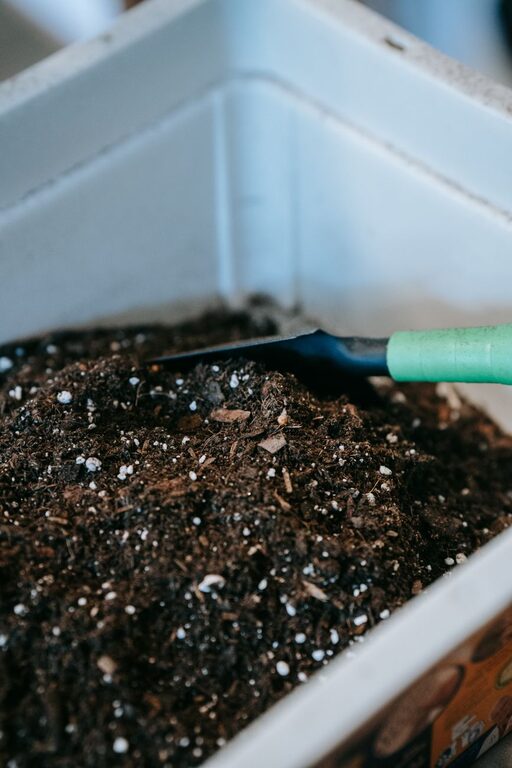
Composting at home is a rewarding and eco-friendly way to reduce household waste while creating nutrient-rich soil for your garden. If you’re just getting started, the process might seem overwhelming, but with a few simple tips, you can easily set up your own compost system and enjoy its benefits. This guide will walk you through the basics of home composting, helping you make the most of your kitchen scraps and yard waste.
What is Composting?
Composting is the natural process of breaking down organic materials—like food scraps and yard waste—into a dark, crumbly substance called humus. This nutrient-rich material improves soil health, boosts plant growth, and reduces the need for chemical fertilizers.
Why Compost at Home?
– Reduce waste: About 30% of household waste is compostable. Composting sends less trash to landfills.
– Save money: You can reduce or eliminate the need to buy soil conditioners or fertilizers.
– Help the environment: Composting lowers methane emissions from landfills and enriches your garden naturally.
– Improve your garden: Compost improves soil structure, moisture retention, and nutrient content.
Getting Started: What You Need
Choose a Compost Bin or Pile
– Bin options: You can buy a ready-made compost bin or make one yourself from wood pallets or wire mesh. Choose a size that fits your space and needs.
– Pile: If you have a backyard, you can simply start a compost pile on the ground.
Pick a Good Location
– Find a shady, well-drained spot to keep your compost moist but not soggy.
– Place your bin or pile near your garden or kitchen for easy access.
What to Compost: The Basics
Successful composting relies on balancing two types of materials:
Browns (Carbon-rich materials)
– Dry leaves
– Straw or hay
– Cardboard and paper (shredded)
– Wood chips
– Sawdust (from untreated wood)
Greens (Nitrogen-rich materials)
– Fruit and vegetable scraps
– Coffee grounds and tea bags
– Fresh grass clippings
– Plant trimmings
– Eggshells (crushed)
Avoid adding: meat, dairy, oily foods, pet waste, or diseased plants as they can attract pests and cause odors.
How to Compost: Step-by-Step
Step 1: Layering
Start by adding a layer of browns about a few inches deep. Then add a thinner layer of greens. Alternate these layers as you add materials.
Step 2: Maintain Moisture
Your compost should be as damp as a wrung-out sponge. Water it occasionally if it’s dry, especially during hot weather.
Step 3: Turn the Pile
Aerating the compost by turning it with a pitchfork or compost turner every 1-2 weeks helps speed up decomposition and prevents odors.
Step 4: Monitor Temperature
Compost piles heat up as microbes break down materials. You can use a compost thermometer to track progress; internal temperatures between 130°F and 160°F indicate good activity.
Step 5: Patience
Composting usually takes 2 to 6 months, depending on materials and conditions. Finished compost is dark, crumbly, and smells earthy.
Tips for Faster Composting
– Chop or shred materials into smaller pieces.
– Keep a good balance of greens and browns (about 2-3 parts browns to 1 part greens).
– Turn the pile regularly to add oxygen.
– Keep moisture levels consistent—not too wet or dry.
Using Your Finished Compost
Once your compost is ready, you can:
– Mix it into your garden soil to improve fertility.
– Use it as mulch around plants to retain moisture and suppress weeds.
– Add it to potting mixes for healthier houseplants.
Common Composting Challenges and Solutions
– Bad odors: Usually caused by too much moisture or adding meat/dairy. Turn the pile and add more browns.
– Pests: Avoid food scraps that attract animals; use a bin with a lid or mesh.
– Slow decomposition: Cut materials smaller and turn pile more often; check moisture.
Composting Alternatives for Small Spaces
If you have limited space, consider:
– Worm composting (vermicomposting): Uses worms to break down food scraps indoors.
– Bokashi: A fermentation method using a special bran for kitchen waste.
Final Thoughts
Composting at home is a simple step toward a sustainable lifestyle and a thriving garden. By starting small and following these beginner tips, you’ll soon enjoy the benefits of reducing waste and enriching your soil naturally. Happy composting!