
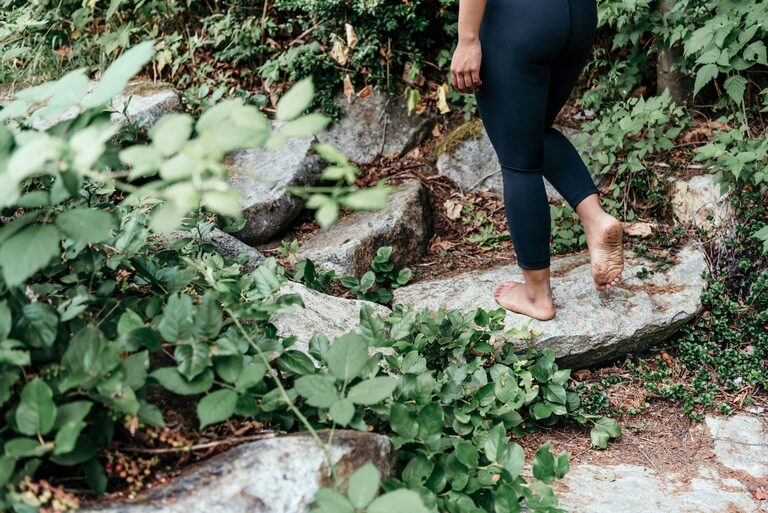
Mindful walking is a gentle practice that combines walking with mindfulness techniques to help you stay present and reduce stress. Unlike regular walking, mindful walking invites you to pay close attention to your body, surroundings, and breath as you move. This beginner guide will introduce you to the basics of mindful walking, explain its benefits, and offer practical tips to get started.
What Is Mindful Walking?
Mindful walking is a form of moving meditation. It involves walking slowly and deliberately while focusing your attention on physical sensations, breathing, and the environment around you. The goal is to cultivate a state of awareness and calm by bringing your mind away from distractions and into the here and now.
Unlike rushing through a walk or walking with a specific destination in mind, mindful walking encourages you to appreciate each step and moment. It can be practiced anywhere—indoors, outdoors, in a park, or even along a hallway.
Benefits of Mindful Walking
Practicing mindful walking regularly can improve your overall well-being in several ways:
– Reduces Stress: Mindful walking helps lower cortisol levels and encourages relaxation.
– Enhances Focus: It sharpens your attention by training your mind to stay present.
– Improves Mood: Moving with awareness can boost feelings of happiness and reduce anxiety.
– Supports Physical Health: Mindful walking is gentle exercise, promoting circulation and joint health.
– Promotes Mind-Body Connection: It fosters awareness of your body’s movements and sensations.
By incorporating mindful walking into your routine, you can enjoy both mental and physical benefits.
How to Practice Mindful Walking: Step-by-Step Guide
Here’s a simple method to begin mindful walking:
1. Choose Your Location
Pick a quiet, safe place where you won’t be easily disturbed. Parks, gardens, or quiet streets work well. You can also practice indoors if needed.
2. Start with Standing Still
Before you start walking, stand still for a moment. Feel the weight of your body on your feet and the connection with the ground. Take a few deep breaths, noticing the rise and fall of your chest.
3. Begin Walking Slowly
Start walking at a slower pace than usual. Focus on how each foot lifts, moves forward, and touches the ground. Notice sensations like pressure, temperature, or texture beneath your feet.
4. Pay Attention to Your Senses
Use all your senses to stay grounded:
– Sight: Observe colors, shapes, and movement around you.
– Sound: Listen to birds, wind, or distant conversations.
– Smell: Notice any scents in the air.
– Touch: Feel the breeze on your skin or the warmth of sunlight.
Try to experience these without judgment or labeling.
5. Focus on Your Breath
Synchronize your breath with your steps if you like. For example, inhale for three steps and exhale for three steps. Let your breathing be natural and relaxed.
6. Gently Redirect Your Mind
It’s normal for your mind to wander. When it does, gently bring your focus back to the sensations of walking and breathing without frustration.
7. End Your Practice Mindfully
After walking for 10-20 minutes, slow down and come to a stop. Stand still again, breathe deeply, and feel gratitude for the time you dedicated to yourself.
Tips for Making Mindful Walking a Habit
– Start Small: Begin with 5-10 minutes a day and gradually increase.
– Be Consistent: Try to practice at the same time daily to build a routine.
– Use Reminders: Set alarms or notes to prompt your practice.
– Remove Distractions: Leave your phone aside or use it only for a timer.
– Wear Comfortable Shoes: This helps you focus on the experience, not discomfort.
– Join a Group: Some communities offer mindful walking meetups that provide support.
Common Challenges and How to Overcome Them
Difficulty Concentrating
If your mind wanders frequently, remember this is normal. Accept distractions and gently guide your attention back to your steps and breath.
Feeling Self-Conscious
If you feel awkward walking slowly in public, try practicing in a quiet place or indoors until you feel more comfortable.
Busy Schedule
Even a short mindful walk can be beneficial. It’s better to practice briefly than not at all.
Mindful Walking Variations to Try
– Nature Walk: Focus on natural surroundings like trees, water, or wildlife.
– Body Scan Walk: As you walk, mentally scan your body from head to toe for tension or relaxation.
– Gratitude Walk: Think about things you’re grateful for as you walk gently.
– Walking Meditation with Mantras: Repeat a calming phrase silently to help maintain focus.
Final Thoughts
Mindful walking is a simple yet powerful practice anyone can try. By connecting movement with awareness, it offers a refreshing way to calm your mind, enjoy your surroundings, and nurture your health. Start small, be patient with yourself, and enjoy the journey toward greater mindfulness—one step at a time.