
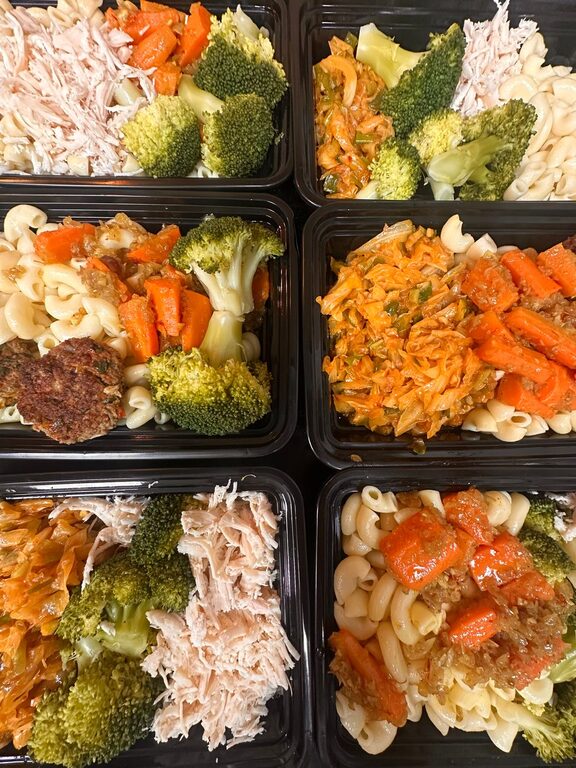
Planning your meals for the week can seem like a daunting task, but it doesn’t have to be complicated or time-consuming. A simple weekly meal plan helps you stay organized, saves money, and reduces stress around mealtime. Whether you want to eat healthier, save time on grocery shopping, or cut down on food waste, creating a meal plan tailored to your needs is a great place to start.
In this post, we’ll walk you through how to create a simple weekly meal plan step-by-step. By the end, you’ll have the tools to make mealtimes easier and more enjoyable for you and your family.
Why Create a Weekly Meal Plan?
Before diving into how to create a plan, it’s helpful to understand why meal planning is worthwhile:
– Saves Time: Knowing what you’re cooking in advance streamlines grocery shopping and reduces the time you spend deciding what to eat each day.
– Reduces Food Waste: Planning meals helps you buy only what you need and use leftovers efficiently.
– Saves Money: When you shop with a plan, you’re less likely to make impulse purchases or eat out.
– Healthier Choices: Planning meals gives you control over ingredients, helping you stick to balanced, nutritious options.
– Less Stress: No more last-minute scrambling to figure out dinner.
Now let’s look at how to create a simple meal plan that works for you.
Step 1: Assess Your Schedule and Needs
Start by considering your week ahead. How busy are your evenings? Will you have time to cook every day?
– Mark days when you might need quick meals or leftovers.
– Note any social occasions or meals out.
– Consider dietary preferences or restrictions for you and your family members.
This helps you decide how many meals you need to plan and how complex they should be.
Step 2: Choose Your Meals
Keep it simple and realistic.
Breakfast Ideas
– Oatmeal with fruit and nuts
– Yogurt with granola
– Smoothies
– Scrambled eggs with toast
Lunch Options
– Salads with protein (chicken, beans, tofu)
– Sandwiches or wraps
– Leftovers from dinner
– Soup and bread
Dinner Meals
Include 5-7 dinner ideas you can rotate during the week. Focus on simple recipes with a balance of protein, vegetables, and carbohydrates. Examples:
– Grilled chicken with steamed veggies and rice
– Pasta with tomato sauce and salad
– Stir-fried tofu and vegetables
– Tacos with beans and toppings
– Baked salmon with roasted potatoes
You can repeat meals or vary them to keep things interesting without overcomplicating your plan.
Step 3: Make a Meal Plan Template
Create a simple chart or list that outlines each day of the week and the meals you plan to prepare. For example:
| Day | Breakfast | Lunch | Dinner |
|———-|——————-|——————-|——————–|
| Monday | Oatmeal | Salad | Grilled chicken |
| Tuesday | Smoothie | Sandwich | Pasta |
| Wednesday| Yogurt & granola | Leftovers | Stir-fry |
| Thursday | Scrambled eggs | Soup & bread | Tacos |
| Friday | Oatmeal | Salad | Baked salmon |
| Saturday | Smoothie | Sandwich | Dinner out / Easy |
| Sunday | Yogurt & granola | Leftovers | Roast dinner |
This plan can be on paper, a whiteboard, or a simple note on your phone or computer.
Step 4: Write Your Grocery List
Based on your meal plan, list all the ingredients you need. Organize your list by sections of the grocery store to make shopping quicker (produce, dairy, meat, pantry items).
Include staples like spices, oils, and condiments. Check your pantry to avoid buying duplicates.
Having a grocery list prevents impulse buys and keeps you focused on what you need.
Step 5: Prep Ahead When Possible
Meal prep can save time on busy days. Some ideas include:
– Chop vegetables in advance.
– Cook grains or proteins ahead of time.
– Portion snacks or pack lunches for the week.
You don’t need to prep every meal fully; even small steps can reduce daily cooking time.
Step 6: Be Flexible and Review
Remember, a meal plan is a guide, not a strict schedule. Life happens, and plans change. Allow yourself some flexibility. If you’re too tired to cook dinner one night, having a quick backup meal or leftovers can help.
At the end of the week, review what worked well and what didn’t. Adjust your next meal plan accordingly.
Tips to Keep It Simple and Manageable
– Start Small: Plan just dinners or one meal first, then expand as you feel comfortable.
– Use Leftovers: Incorporate leftovers into lunches or transformed meals to save time.
– Keep a Recipe List: Maintain a list of your favorite simple recipes to choose from quickly.
– Batch Cook: Make larger portions of certain meals and freeze extras.
– Shop Smart: Stick to your list and shop once a week to avoid extra trips.
Conclusion
Creating a simple weekly meal plan is a practical way to make mealtimes less stressful and more enjoyable. By assessing your schedule, choosing easy meals, organizing a plan, grocery shopping efficiently, and prepping ahead, you can save time, money, and effort.
Start with small steps, be flexible, and find a routine that fits your lifestyle. Before long, meal planning will become a natural part of your week that supports healthier eating and a happier kitchen.
Happy planning and cooking!